How to Choose an Automatic Screw Tightening Machine: From Handheld Electric Screwdrivers to Fully Automatic Tightening Modules
The problem an automatic screw tightening machine (also called an automatic screwdriving machine or screw fastening machine) has to solve is usually not "the screw isn't tight enough" but "once it's tightened, there's no way to know whether it's good." Stripped threads, floating screws, missed screws and cross-threading are not always visible at the moment of tightening, and by the time they are found at the next station they are hard to trace. The products here share one feature: a built-in torque sensor or closed-loop control, so tightening results can be output as torque curves and data and linked to MES and ERP.
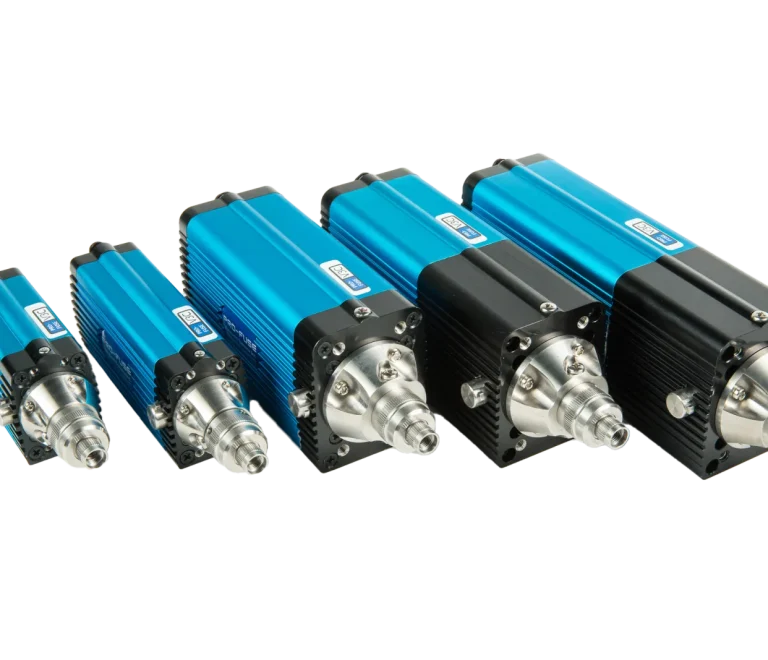
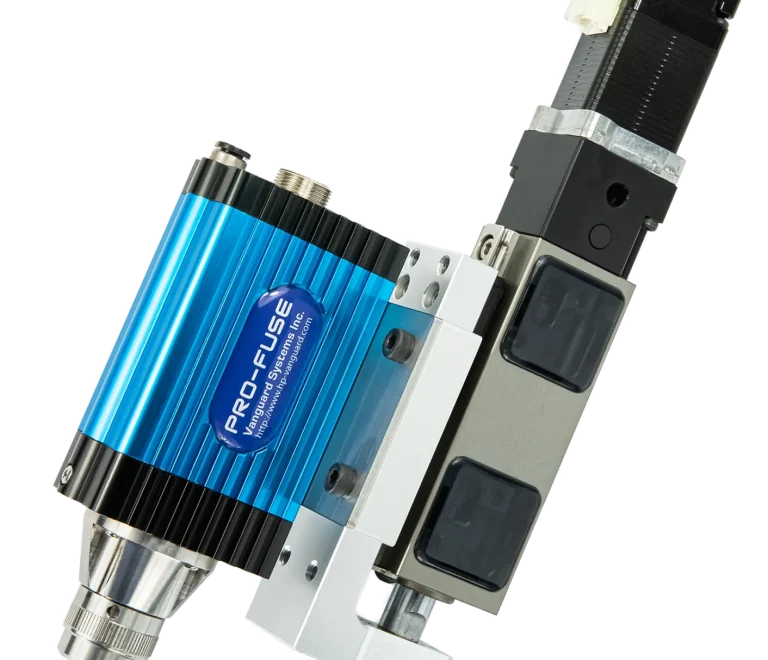
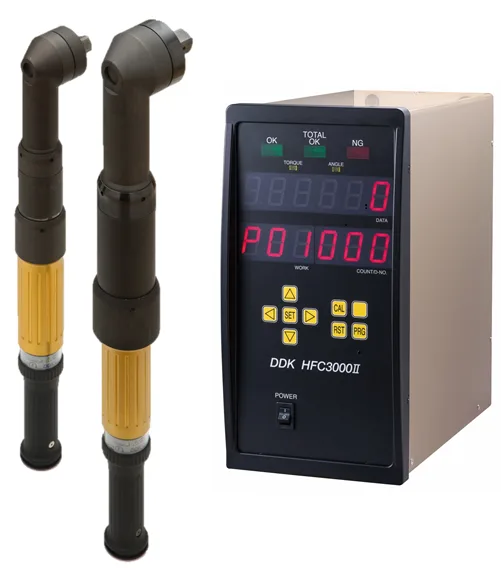
Selection comes down to three things. First is the torque range: M0.6~M1.2 screws in precision electronics fall within 10~45 mN·m, general 3C assembly is mostly 0.2~3 N·m, and automotive and construction applications can reach tens or even thousands of N·m. Second is the form of use: handheld (HFC3000II), tightening modules for automation (PRO-FUSE, AFC3000, PRO-Z DK), or a complete machine (the SR-XYZ-552 desktop screw fastening robot). Third is the depth of control: whether only a torque-reached judgment is needed, or the pressing speed and pressure of the vertical Z axis must also be controlled in sync (the patented technology of PRO-Z DK).
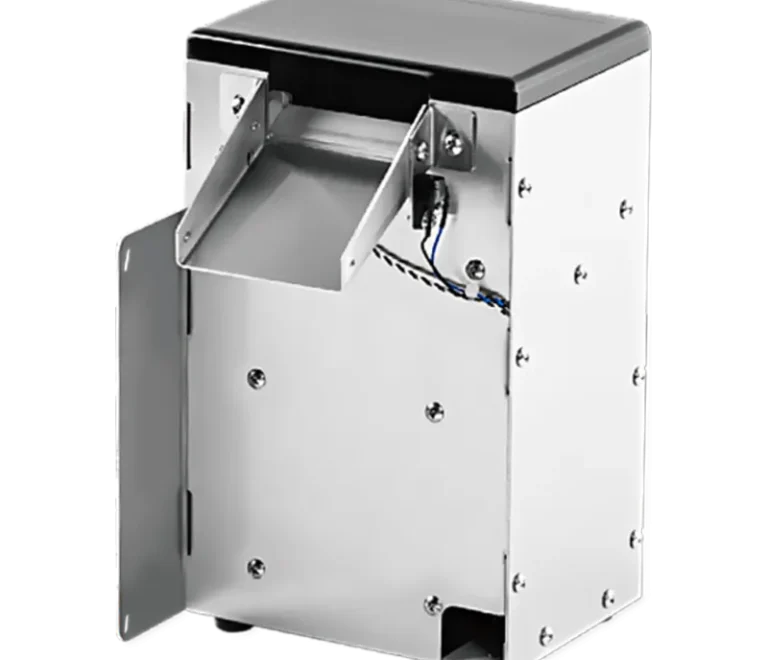
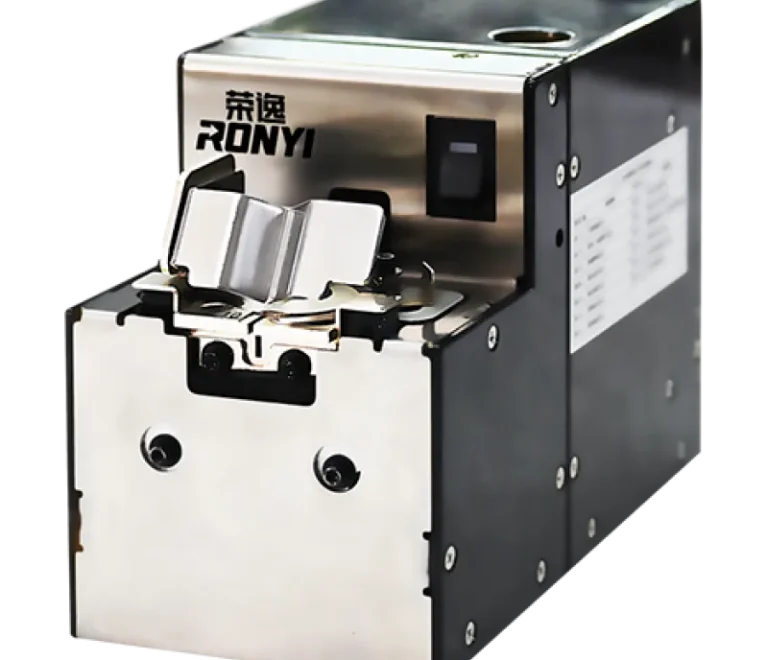
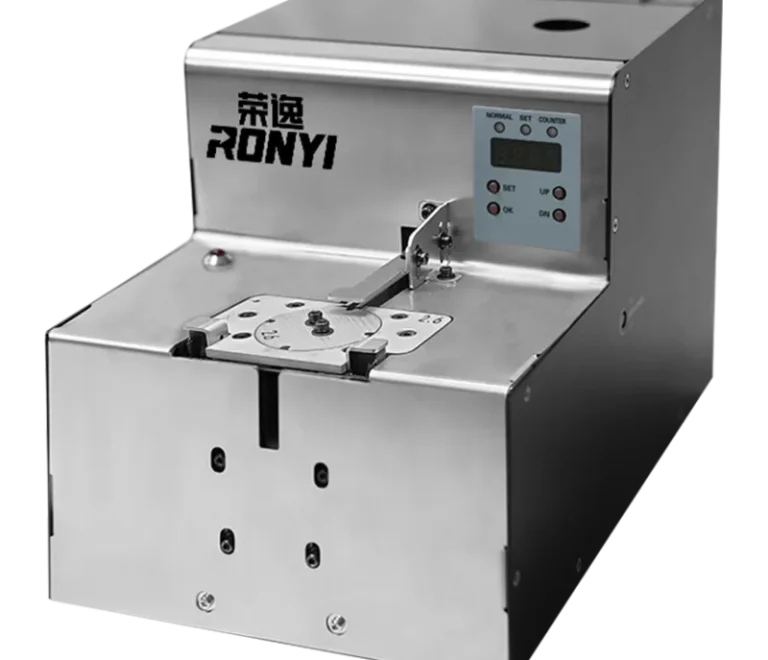
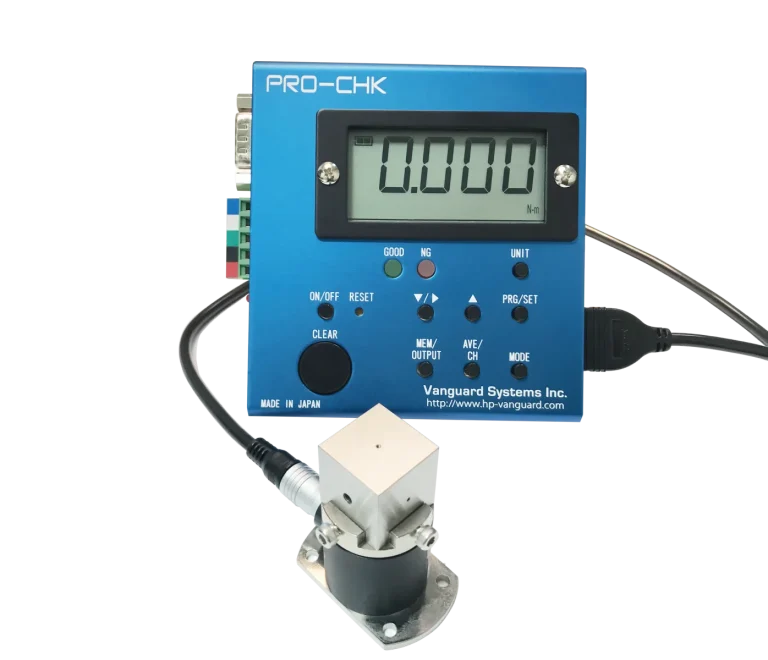
As for accessories, the screw feeder ensures a stable screw supply (vacuum pick-up models for automation, manual pick-up models for manual stations, plus a refill hopper for high volumes), and the PRO-CHK torque meter is used for periodic calibration and verification. Both are essential to maintaining tightening quality.
Screw Tightening — Selection Table
What Makes Up an Automatic Screw Tightening Machine
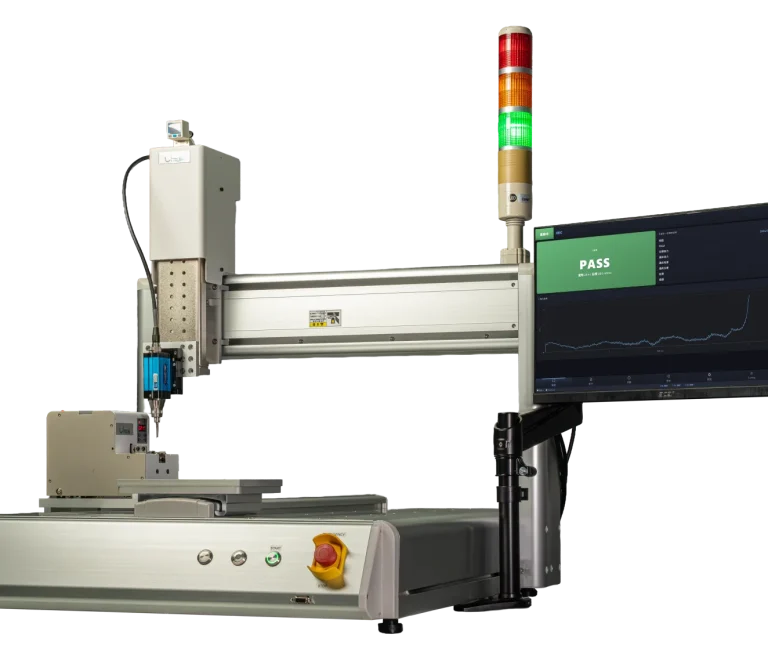
Utrun-Tech offers two ways in. The first is tightening modules: we supply the tightening spindle, Z-axis tightening module, screw feeding and tightening data portions, while the machine enclosure, fixtures and positioning mechanism are designed by the equipment integrator or the customer, who then attaches the tightening module via I/O or TCP commands; if you already have a robot arm or XY table, in most cases there is no need to buy a complete machine, as adding a tightening module and screw feeder is enough to build an automatic tightening station. The second is a complete machine: without an existing positioning mechanism, choose the SR-XYZ-552 desktop screw fastening robot, which integrates the XYZ axes, controller, monitoring software and MES interface in one machine.
Common Types of Automatic Screw Tightening Machines
The choice of type mainly depends on three numbers: tightening points per workpiece, allowable cycle time, and how many changeovers per month. With few tightening points and frequent changeovers, handheld or benchtop single-spindle usually has the lowest total cost; with many tightening points on fixed models, XY multi-point offers the best value; for angled 3D tightening or frequent model changes, a robot arm with a tightening module is the most flexible.
How Screws Reach the Tightening Spindle: Blow-Feed, Vacuum Pick-Up and Magnetic
The screw itself determines which method to use: head shape, length-to-diameter ratio, whether the material is magnetic, and whether the product can tolerate residual magnetism. Screws of different specs on the same machine often need their own feed tracks and jaws, so when planning, list all the screw specs to be tightened first, then decide on the feeding method and how many screw feeders are needed.
Frequently Asked Questions
What types of automatic screw tightening machines are there, and how do I choose?
There are six common types: handheld, benchtop single-axis, benchtop XY multi-axis, multi-spindle simultaneous, robot-arm type and inline type. The choice mainly depends on three numbers: how many screws per workpiece, how long the allowed cycle time is, and how many changeovers per month. With few tightening points but frequent model changes, handheld or benchtop single-axis has the lowest total cost; with many tightening points and fixed models, XY multi-axis is the most cost-effective; when tightening from multiple sides or at 3D angles with frequent changeovers, a robot arm with a tightening module offers the most flexibility. Only when the cycle time is very tight do you need to consider multi-spindle simultaneous or an inline type integrated into the conveyor line.
What are the components of an automatic screw tightening machine, and which parts does Utrun-Tech provide?
It can be divided into five parts: the tightening spindle (outputs torque and judges the tightening result), the Z-axis feed mechanism (moves the tightening spindle down for thread engagement), the screw feeding (delivers loose screws one by one to the pick-up point), the positioning mechanism (moves the tightening spindle to each coordinate, such as an XY Table or robot arm), and control and data (stores tightening results and torque curves and connects to MES and ERP). Utrun-Tech provides the tightening spindle, Z-axis tightening module, screw feeding and tightening data; the machine enclosure, fixtures and positioning mechanism are usually designed by an equipment integrator or the customer. If your line already has a robot arm or XY Table, you usually do not need to buy a complete machine; adding a tightening module and screw feeder is enough to build an automatic tightening station.
How are screws delivered to the tightening spindle? What is the difference between blow-feed and suction-feed?
Blow-feed (air blow) uses compressed air to blow screws from the feeder through a hose to the jaws on the tightening spindle; it is the fastest and suits small headed screws, but screws that are too long, too flat or have washers tend to jam in the tube. Suction-feed uses a vacuum nozzle to pick up screws from the pick-up point and can handle non-magnetic screws such as plastic, aluminum and stainless steel, as well as special head shapes; the nozzle must be changed when the screw specification changes. Magnetic pick-up relies on a magnetized bit to hold the screw directly; it has the simplest structure but works only with magnetic screws and is not suitable for products sensitive to residual magnetism. The screw itself decides which method to use: head type, length-to-diameter ratio, whether the material is magnetic, and whether the product can tolerate residual magnetism.
What information should I prepare when evaluating an automatic screw tightening machine?
Listing the following items usually leads to a concrete solution: screw specification (head type, thread diameter and length, whether the material is magnetic, with or without washer) and the number of screws per workpiece; target torque and allowable tolerance; workpiece material (plastic self-tapping, tapped metal or screwing into nuts); the coordinate layout of tightening points and whether tightening from multiple sides is required; required cycle time and daily output; changeover frequency and number of models; and whether tightening data needs to be stored or uploaded to MES. Pre-installation selection evaluation, mechanism integration advice and post-installation technical support are all provided by Utrun-Tech in Taiwan. Please call +886-2-87975610 or email info@utrun.com.
How should I choose the tightening torque?
First confirm the screw specification and workpiece material, then match the torque range. M0.6~M1.2 screws commonly used in precision electronics mostly fall within 10~45 mN·m, M1.2~M2.0 is about 50~180 mN·m, and M2.0~M3.0 about 200~700 mN·m; general 3C assembly is mostly 0.2~3 N·m; automotive, construction and similar applications can reach tens to thousands of N·m. When selecting a tool, we recommend that the actual working torque falls in the middle of the tool range rather than at its upper or lower limits, for better accuracy and service life.
How can an electric screwdriver prevent stripped threads, floating screws and cross-threading?
The key is that the process is measured, not just the final torque. Models with a built-in torque sensor can control torque output in real time and record the tightening history and torque curve, and with upper and lower limits set, defective parts are judged on the spot. The PRO-FUSE uses closed-loop control with thread-search detection accuracy of 0~10 mN·m, torque rise detection time of 0.01~1.00 s, and allowable turns settings of 0~10 turns in each direction, identifying unengaged threads, insufficient turns and stripped threads. The HFC3000II uses reverse rotation combined with vibration-sensing thread engagement to reduce cross-threading and damage to threaded holes.
Can screw tightening data be integrated with MES and ERP systems?
Yes. The MFC-S series controllers of the AFC3000 have an Ethernet port compliant with IEEE802.3 (100BASE-T), store up to 120,000 tightening results and 100 torque curves, and can be fitted with expansion units supporting fieldbuses such as CC-Link, DeviceNet, PROFIBUS, PROFINET, EtherNet/IP, CC-Link IE and EtherCAT. The HFC3000II stores 12,000 result records, 100 curves and 500 error records, and with the optional CF card slot on the controller, data can be stored on a memory card even without a PC connected.
How is the PRO-Z different from a conventional automatic screw tightening machine?
A conventional automatic screw tightening machine controls the torque and speed of the rotating spindle, while the vertical direction is usually just a constant-speed pressing mechanism. The patented PRO-Z technology brings the motion speed and pressure of the vertical Z axis into synchronized control: after the user enters the screw specification and motion conditions, the system matches the tightening action and adjusts the pressing behavior, allowing it to handle variables that are difficult to control with conventional methods. In testing with M0.8 screws on the same workpiece, it performed more than 1200 consecutive tightening and loosening cycles, averaging 0.8 s/screw. The module can be integrated into a robot arm or XY Table via TCP commands from a Robot Controller.
How often should a torque meter be calibrated?
It is generally recommended to verify it regularly according to your quality system requirements. A common practice is to check the actual output of critical stations with a torque meter before each daily line start, and schedule periodic calibration according to internal standards. The PRO-CHK torque meter has a measuring range of 20~5000 mN·m and accuracy of ±0.5%, with four measurement modes (peak, peak down, real-time output and track); upper and lower limits can be set for direct pass/fail judgment by indicator lights, and 800 measurements can be stored and output in ASCII format.