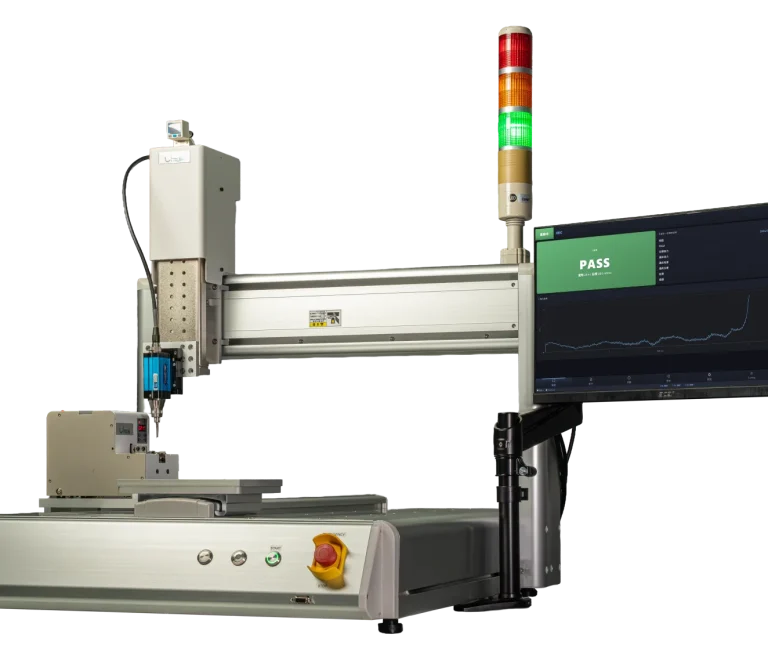
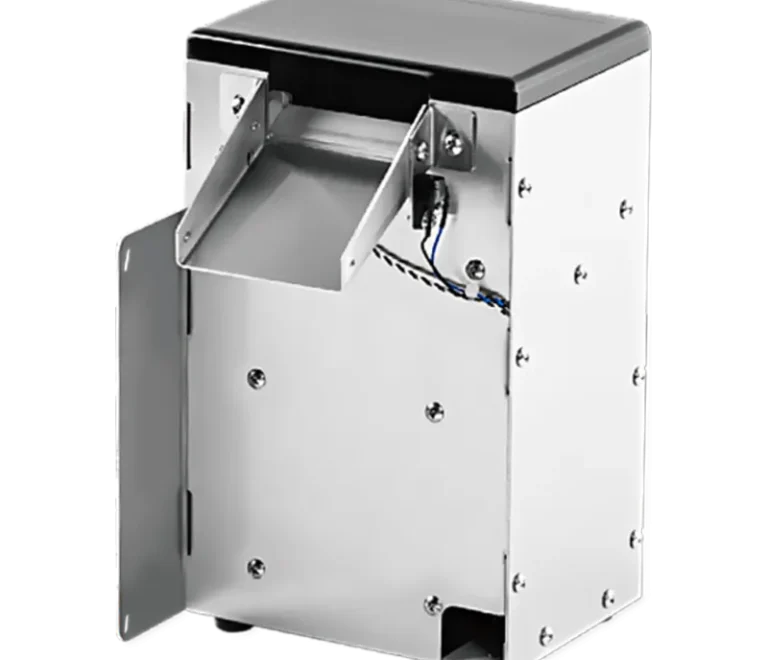
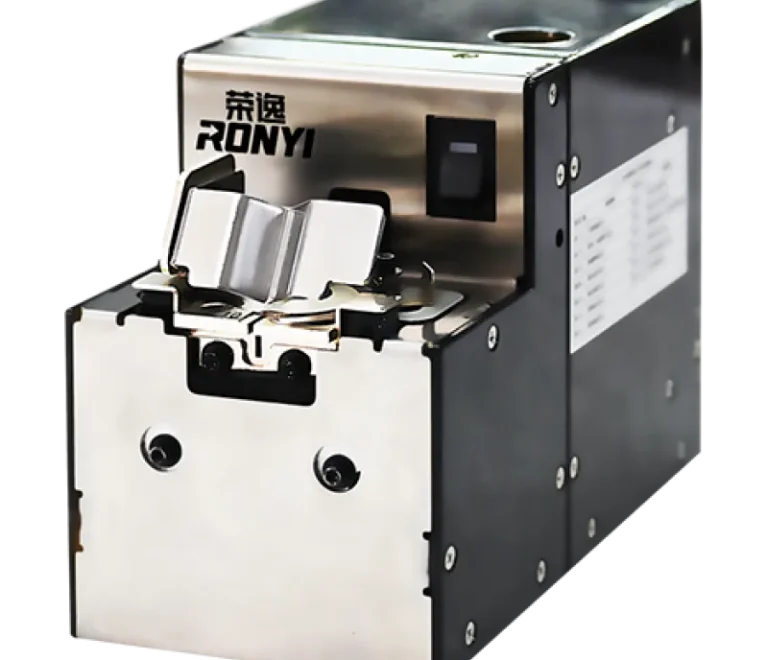
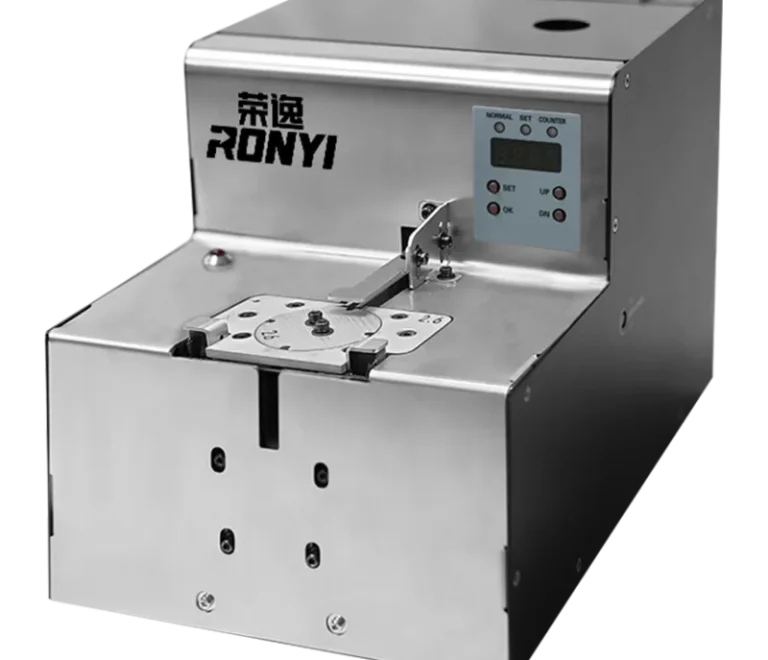
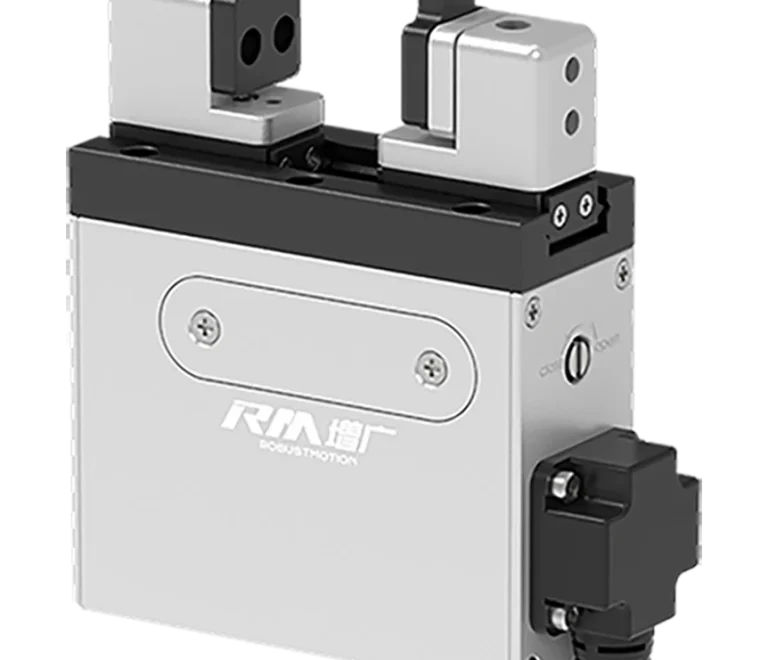
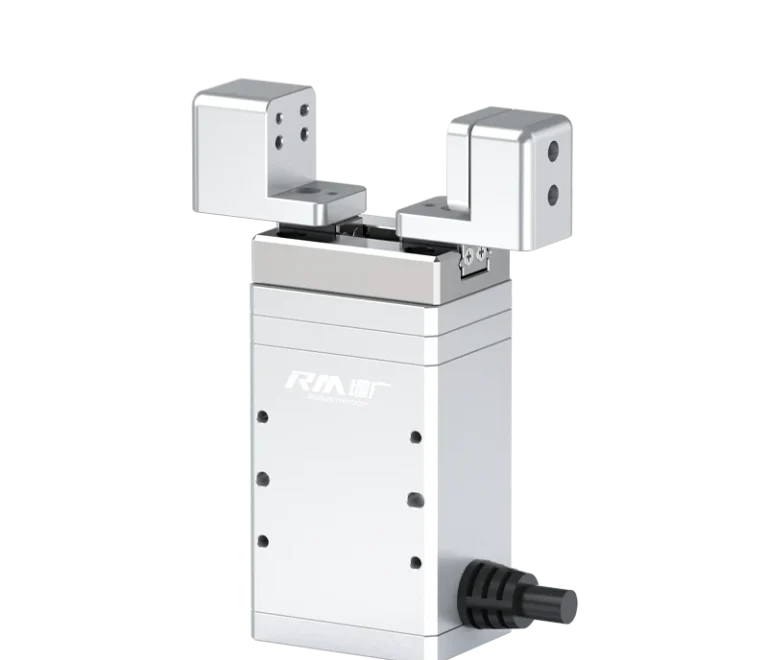
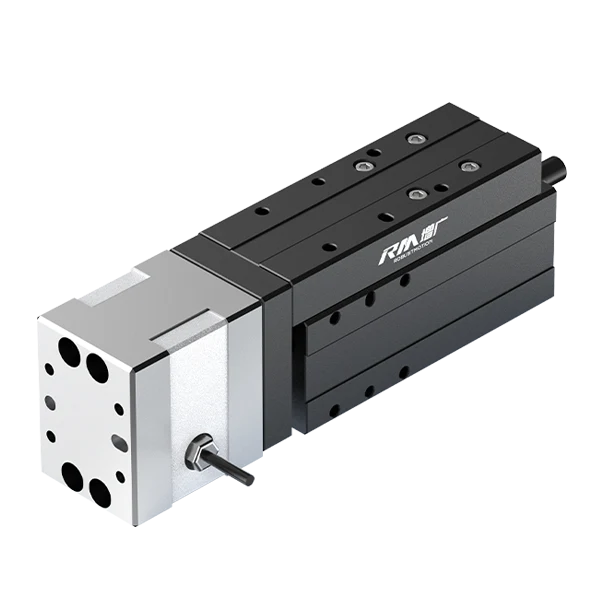
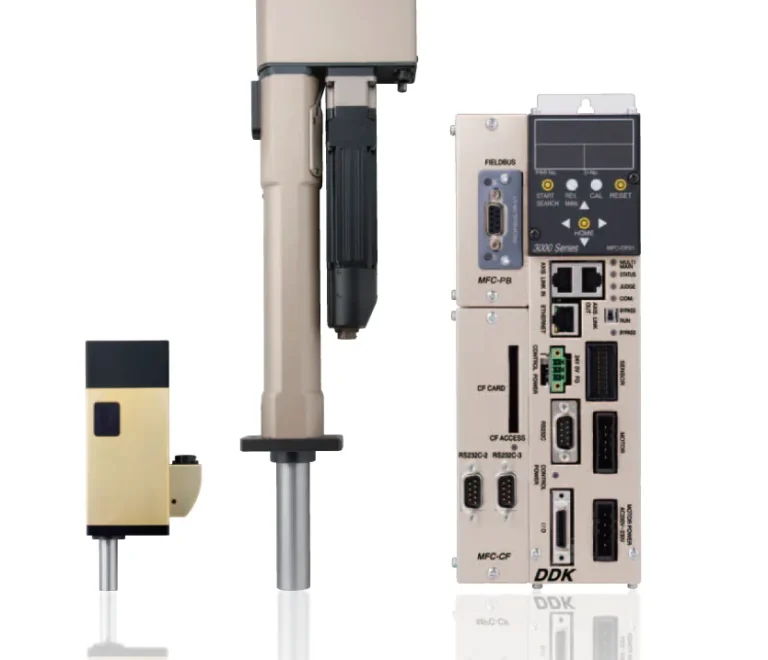
The automation components distributed by Utrun-Tech cover electric solutions for four types of motion on the production line: tightening, gripping, pressing and conveying. What they have in common: once pneumatic and purely mechanical mechanisms are replaced with servo or closed-loop stepping drives, force and position become data that can be set, measured and traced, rather than depending on pressure regulators and rules of thumb.
Selection usually starts with three questions: how much force is needed (torque, gripping force or thrust), what stroke and accuracy are required, and how the device will communicate with the host controller (I/O, Modbus RTU, or industrial fieldbuses such as EtherCAT and PROFINET). Most product lines offer both integrated models with a built-in controller and separate controller models. The former need less wiring and go online faster; the latter make centralized multi-axis management and advanced communication integration easier.
The products below are grouped by application into five categories: screw tightening, servo electric cylinders, electric grippers, stepping control and maglev conveying systems. Each category page includes a model specification comparison table.
Frequently Asked Questions
How do electric automation components differ from pneumatic and mechanical mechanisms?
The main difference is that force and position become data that can be set and measured. The gripping force of a pneumatic gripper is determined by air pressure, and it simply opens or closes fully; the pressing force of a pneumatic cylinder cannot be known in real time either. With servo or closed-loop stepper drives, gripping force, thrust, torque and position can all be set in steps with real-time feedback, and process data can be output as curves and records for direct use in quality judgment and traceability. Going electric also eliminates the energy consumption of air lines, solenoid valves and air compressors, as well as repeatability problems caused by air pressure fluctuations.
What should I confirm first when selecting automation components?
We recommend confirming three things in order: first, how much force is needed, i.e. torque (screw tightening), gripping force (electric grippers) or thrust/load (servo electric cylinders); second, stroke and accuracy requirements, including range of motion and repeatability; third, how the component communicates with the host controller, whether through I/O points, Modbus RTU, or an industrial fieldbus such as EtherCAT, PROFINET or EtherNet/IP. Once these three are defined, most product lines can be narrowed down to two or three candidate models.
Should I choose an integrated (built-in controller) or separate controller type?
The integrated type has the controller built into the body, with less wiring and a smaller footprint; most can be triggered by I/O combinations without parameter setup, suiting stations with simple motions that need to go live quickly. The separate controller type requires an external controller but makes centralized multi-axis management easier, and the controller can support advanced fieldbuses such as EtherCAT, PROFINET and CC-LINK, suiting lines with many axes or deep integration with existing PLC/host systems.
Is Utrun-Tech a distributor or a manufacturer? Do you provide technical support?
Utrun-Tech Co.,Ltd. acts as both a distributor and an in-house developer. Most automation components are distributed products from original manufacturers, such as RobustMotion electric grippers and maglev conveyor systems, DAI-ICHI DENTSU (DDK) servo tightening systems and servo presses, and Vanguard Systems precision tightening and stepping control products; the PRO-Z automatic precision screw tightening module is a patented technology integrated by Utrun-Tech itself. Pre-installation selection evaluation, mechanism integration advice and post-installation technical support are all provided by Utrun-Tech in Taiwan.